
Blog
01
May 2024
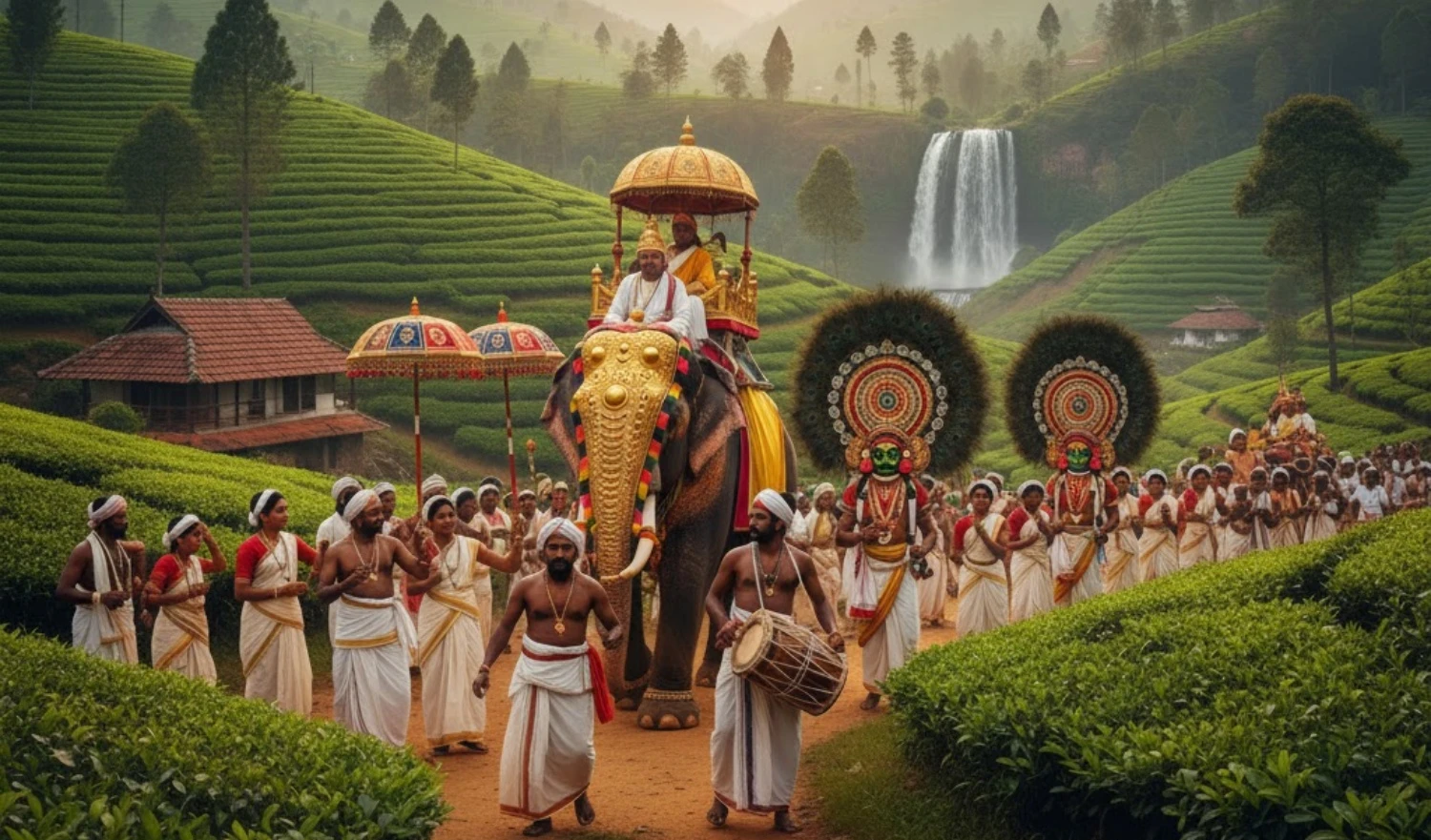
Folk Traditions & Festivals of Munnar and Surrounding Villages
Where hills echo with song and folklore comes alive
When visitors first come to Munnar, many think it's all misty hills, tea gardens, and serene landscapes. But woven into those folds of hills is a living tapestry of folk traditions, tribal customs, temple festivals, and harvest celebrations. At Maat Hotels, we believe that knowing the soul of a place means engaging with its people and their heritage. Here’s your guide to exploring the folk traditions and festivals of Munnar and its neighbouring hamlets.
The Cultural Landscape of Munnar
Munnar’s culture is a blend: the traditions of the Muthuvan and other hill tribes, the influence of Kerala’s classical arts, and the rhythms of agricultural life in the villages.
The tribal villages carry their own seasonal rituals — for instance, the Oorali Festival, celebrated by tribal groups in the area, includes music, dance, and offerings to local deities.
In the town and nearby, classical art forms like Kathakali, Mohiniyattam, and Kalaripayattu (a traditional martial art) are sometimes staged to give visitors a glimpse of Kerala’s performance heritage.
Festivals You Shouldn’t Miss
Onam (August-September)
The grandest of all festivals in Kerala, Onam is celebrated across Munnar with full fervour.
-
It’s a 10-day celebration, with Pookalam (floral designs) in front of homes, folk dances, and cultural performances.
-
Traditional art forms like Pulikali (tiger dance) and Kathakali might be showcased.
-
The Onasadya — a vast vegetarian feast with many courses served on banana leaves — is a culinary highlight.
Onam offers visitors a chance to experience community, warmth, and Kerala’s cultural roots.
Vishu (April)
Vishu marks the Malayali New Year. It is celebrated in Munnar as in the rest of Kerala, with rituals of Vishukani (first sight of auspicious items early morning), fireworks, and family gatherings.
Munnar Fest / Winter Carnival (December–January)
In the cooler months, when Munnar sees a rise in visitors, a cultural festival often takes over the town.
-
Known often as the “Munnar Fest,” it features performances of classical and folk arts, tribal dances, music, handicraft displays, and local food stalls.
-
The Tea & Tourism Festival is another event held in December, celebrating tea culture with art, music, local cuisine, and exhibitions.
These festivals aim to bring together residents and visitors, offering immersive experiences of local life.
Temple Festivals & Village Utsavams
Throughout the region, smaller temple festivals (utsavams, poorams) happen all year, according to the local Malayalam lunar calendar.
One local example: the Subramanya Swami Temple in Munnar celebrates Thrikarthika in the Malayalam month of Vrischikam (Nov–Dec).
These festivals often include processions, traditional music ensembles (like Panchavadyam), ritual art forms, and local cuisine.
Tribal Festivals & Rituals: The Heartbeat of the Hills
It’s in the villages and tribal hamlets that you see traditions that have been preserved over generations:
-
Oorali Festival: As mentioned earlier, this is a tribal festival with dance, music, and offerings to deities, held in the hills around Munnar.
-
Kovil Mala Harvest Festival: Celebrated by the Mannan tribe in Idukki, this festival marks the harvest season, with rituals and offerings.
-
Mukkudi Festival: Also observed by tribal communities (e.g. in forest fringe areas), this festival spans several days and involves traditional dwellings, nature-based rituals, and community gatherings.
These festivals are intimately tied to nature’s cycles — planting, harvest, forest produce — and are a reminder of how interconnected tribal life is with the land.
What Makes These Traditions Special for Guests?
-
Authenticity: These are not staged shows. Whether it’s a temple procession or a tribal dance, they are lived traditions, not curated performances.
-
Cultural Immersion: Guests can witness spirited dances, hear folk songs in local dialects, and smell incense, flowers, and food that carry stories across generations.
-
Community Connection: Local villagers often take pride in involving visitors respectfully — sharing sweets, inviting to local feasts, or letting you witness rituals.
-
Seasonal Timing: If you plan your stay to coincide with a major festival, your trip transforms from sightseeing to cultural immersion.
Tips for Guests: How to Experience Festivals Respectfully & Fully
-
Plan Ahead
Check festival dates (they often follow the Malayalam lunar calendar). Ask Maat Hotels’ staff — we’re happy to let you know what’s happening and help arrange visits. -
Dress Mindfully
In temples and tribal areas, modest clothing is appreciated. Avoid bright modern prints; simple, respectful attire helps blend rather than disrupt. -
Ask & Learn
Bring a notebook or smartphone, but always ask permission before taking photos, especially of rituals or tribal elders. Locals usually enjoy sharing stories. -
Participate Softly
If there’s a folk dance or music session, you might be invited to clap, sing along, or watch closely — but avoid interrupting. -
Support Local Artisans
Festivals often have handicraft stalls — buying a woven basket, tribal ornament, or local spice supports the local economy. -
Be a Guest, Not a Spectator
Try to engage with locals — ask about the meaning of a dance, how a dish is made, or how the festival ties to village life. The richer travel stories come from these conversations. -
Timing Your Stay
-
Late August to early September: for Onam
-
April: for Vishu
-
December–January: for Munnar cultural festivals
-
Check local temple calendars for regional utsavams
-
Wrap-Up: More Than a Backdrop
Munnar is much more than scenic landscapes; its living culture pulses in villages, in temple courtyards, on misty hillsides. Festivals are moments when communities open their hearts, share their songs, and invite you into their stories.
At Maat Hotels, we’re not just custodians of your comfort — we hope to be your bridge to this heritage. Let us help you align your visit with a festival or a village ritual, so your stay becomes part of a local story you’ll remember forever.

Leave a Comment